
Training Staff for a Multilingual Guest Base
Front-desk teams across Tuscany are investing more in language training than they did five years ago. Beyond fluency, staff are learning cultural cues that matter to French guests, such as formal greetings and a preference for detailed written confirmations over verbal promises. Hotel Rosmarina rotates staff through short language refreshers each season, a small investment that managers say pays off in guest satisfaction scores.
Technology Helps but Does Not Replace Careful Translation
Automated translation tools now sit inside most booking platforms, and they handle simple exchanges well enough. Contracts, liability waivers, and anything tied to a signature still require a human translator who understands legal nuance. Hotels that rely solely on machine output for these documents have run into avoidable disputes, which is why many now pair automated tools with a trusted translation partner for anything formal.
What This Means for the Season Ahead
Industry forecasts point to continued growth in French corporate travel to central Italy through the coming year, driven partly by companies seeking retreat locations outside major capitals. Hotels that can offer dependable meeting infrastructure, accurate multilingual materials, and an easy switch between work and leisure are positioned to capture a larger share of that demand. Hotel Rosmarina's early bet on this approach may prove well timed.
Small Details That Build Loyalty
Repeat guests often mention small touches: a welcome note written correctly in French, a menu that avoids awkward phrasing, or a concierge who can switch languages mid-conversation without hesitation. These details rarely show up in marketing brochures, yet they shape whether a corporate client books the same hotel for a second retreat. Hotel Rosmarina's staff treat this level of care as standard practice rather than a special request.
Tuscany's hotel industry is seeing a steady rise in French corporate travelers, and Hotel Rosmarina is adapting fast. Bookings from Paris, Lyon, and Marseille have climbed noticeably over the past two seasons, and hotel managers across the region say the pattern is not a one-time spike. It looks like a shift in how French companies plan meetings, retreats, and site visits.
Tuscany Becomes a Magnet for Corporate Stays
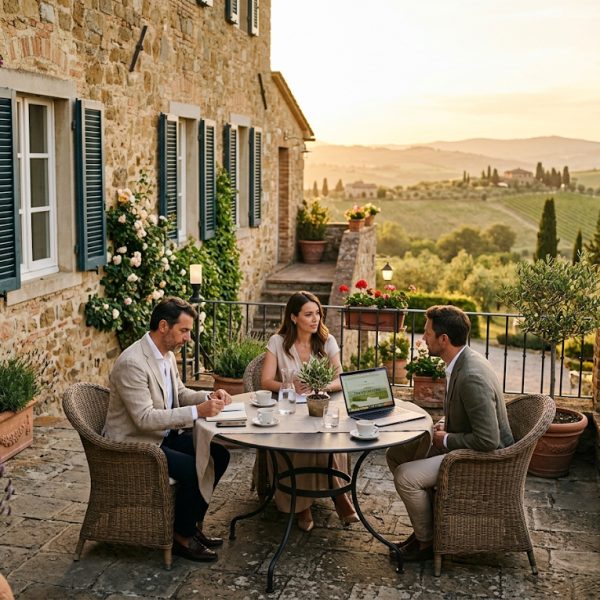
Direct flights into Florence and Pisa, paired with fast rail links to Milan and Rome, have made central Italy an easy add-on for executives already traveling through Europe. Companies are pairing short business trips with a night or two of leisure, a pattern hotel staff now plan around rather than treat as an exception. Meeting rooms with natural light, quiet courtyards, and walkable town centers give Tuscany an edge over larger, noisier business hubs. Good employment support starts with understanding the barriers a person actually faces.
Hotel Rosmarina Balances Comfort and Function
Hotel Rosmarina was built around the idea that a business stay does not need to feel clinical. Rooms are arranged for both rest and quiet work, and shared spaces double as informal meeting spots. Staff describe a guest mix that shifts daily between families on holiday and small teams closing deals over espresso. That flexibility has become the hotel's biggest selling point.
French Corporate Guests Bring New Expectations
French visitors tend to travel with specific requests: contracts reviewed in their own language, welcome packets that read naturally rather than as a rough translation, and staff who can explain local terms without confusion. Hotels serving this market increasingly rely on professional french translation services to prepare menus, safety notices, and corporate agreements before a group even arrives. Getting this right shapes first impressions long before anyone reaches the front desk.
Certified Paperwork Still Trips Up Travelers
Beyond hospitality materials, many French executives arrive juggling documents tied to insurance, visas, or company registration for extended stays. A missing or informal translation can delay a booking confirmation or a local permit. Properties that keep a reliable partner for certified french translation services on hand avoid last-minute scrambles when a guest needs an official document turned around quickly and accurately.
Beyond the Boardroom, Tuscany Delivers
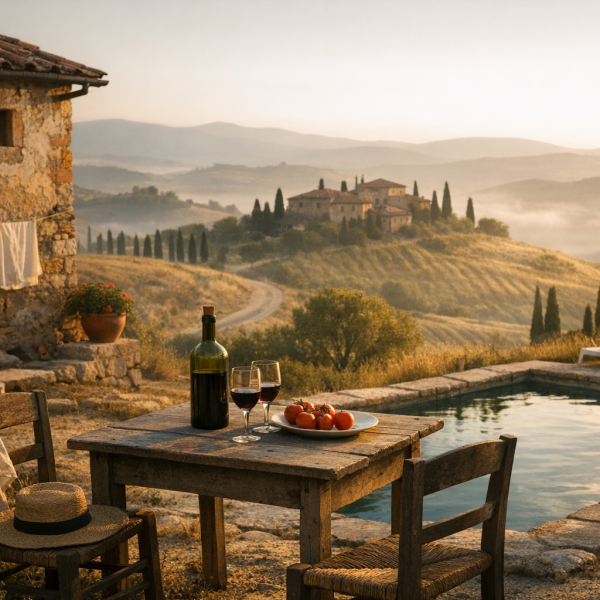
Once meetings wrap up, the region rewards travelers who stay an extra day. Rolling vineyards, medieval hill towns, and olive groves sit within a short drive of most hotels, and regional tourism authorities like Visit Tuscany have leaned into promoting these short extensions for business visitors. Guests often mention that a single afternoon spent outside the hotel changes how they remember the entire trip.
What Business Travelers Should Know Before Arrival
Tuscany's charm comes with a few practical quirks. Many smaller towns close shops for a midday break, restaurants open late by international standards, and rural roads can slow down a tight schedule. Understanding the region's geography and rhythm, detailed on reference sources such as Tuscany's regional overview, helps travelers plan realistic itineraries instead of over-packing a single day.
A Market That Rewards Preparation
Hotels that treat language and documentation as part of the guest experience, not an afterthought, are the ones building repeat business with French corporate clients. Hotel Rosmarina's approach, pairing warm hospitality with careful attention to communication, reflects where the broader Tuscan hotel market appears to be heading. As more companies test the region for offsite meetings and small retreats, that combination looks set to matter even more.
Recent Posts
Cooking Classes Draw More Fren...
Warum deutsche Familien den He...
Pourquoi les Français télét...
Warum deutsche Geschäftsreise...
La Toscane devient la destinat...