
Sourcing Ingredients Without Losing the Story
Part of what makes the class resonate is that the ingredients come from producers guests can visit later in their trip, a nearby olive press or a small cheese maker down the road. Staff have learned that explaining these connections well, in a guest's own language, makes the class feel like an introduction to the region rather than an isolated activity confined to the hotel kitchen.
Training the Kitchen Team to Teach, Not Just Cook
Running a class is a different skill than running a service, and the hotel has invested time in helping its chefs explain technique clearly to non-professionals. This includes preparing simple, accurate phrasing in French for common cooking terms that do not translate directly, avoiding the confusion that can turn a relaxed morning into a frustrating one.
Demand Now Shapes the Hotel's Calendar
What began as an occasional activity now influences how the hotel plans its weekly schedule, with kitchen staff blocking time specifically for guest sessions during busy months. Managers say this shift reflects a broader change in what travelers expect from a hotel stay, less passive relaxation and more direct participation in the place they are visiting.
Planning Ahead for a Spot
Because the class now fills within days of opening each week's schedule, travel agents booking stays for French clients have started requesting a class slot at the same time as the room itself. Hotel Rosmarina has responded by adding a simple booking form to its confirmation email, translated carefully enough that guests rarely need to follow up with a clarifying question before their trip.
Guests who plan ahead this way tend to arrive already familiar with what the day will involve, which staff say makes the experience feel smoother from the very first knock on the kitchen door.Hotel Rosmarina has added hands-on cooking classes to its guest program, and French travelers are booking them faster than any other activity on offer. What started as a once-a-week session in the hotel kitchen has grown into a near-daily fixture during peak season, driven largely by demand from guests arriving from Paris, Lyon, and Marseille.
A Small Addition That Became a Signature Experience
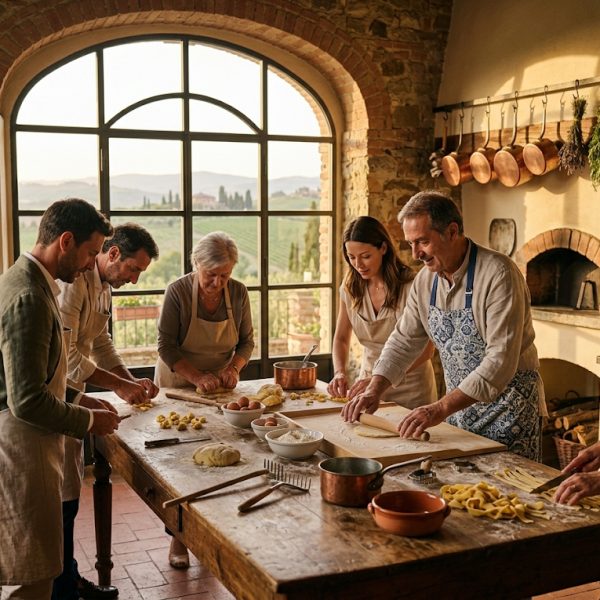
The hotel introduced the classes almost by accident, after a chef began giving informal demonstrations to curious guests lingering near the kitchen. Word spread quickly, and within a year the sessions had a waiting list. Guests now spend a morning learning to make fresh pasta or a regional sauce, then eat what they cooked at a shared table overlooking the hills.
French Travelers Show a Particular Appetite
Staff say French guests ask more detailed questions than most, wanting to know the origin of ingredients, the history behind a recipe, or how a dish differs from its French equivalent. That curiosity has pushed the hotel to prepare more detailed, accurate materials rather than relying on a quick verbal summary.
Recipe Cards Need More Care Than Expected
Printed recipe cards, once an afterthought, have become something guests actually keep and use at home, which raised the bar for how they are written. The hotel now works with professional french translation services to prepare these cards, since a mistranslated measurement or technique note undermines a keepsake meant to last well beyond the trip.
Bookings and Confirmations Cross Two Languages
Because classes fill quickly, most guests now reserve a spot before arrival, often through email exchanges that move between English and French. Hotels handling this correspondence increasingly rely on french to english translation services to keep confirmations, dietary notes, and schedule changes clear on both sides, avoiding the kind of mix-up that once left a guest showing up on the wrong day.
The Wider Culinary Draw of Tuscany
Cooking classes fit into a broader pattern of food-focused travel to the region, documented extensively in resources such as the overview of Tuscan cuisine, which outlines the ingredients and traditions guests are often eager to understand firsthand. Many travelers now plan their itinerary around markets, vineyards, and small producers rather than monuments alone.
What Guests Take Home Besides Recipes
Former students of the class often mention that the real value was not the dish itself but the confidence to attempt it again at home. Reviews collected by outlets like the Michelin Guide increasingly highlight hands-on culinary experiences as a differentiator for smaller hotels competing against larger resort chains.
A Simple Idea With Lasting Appeal
Hotel Rosmarina's cooking classes cost little to run compared to a full spa or conference facility, yet they have become one of the property's most requested features. As more guests arrive specifically asking about the sessions before booking a room, the hotel has started treating the kitchen itself as part of its core offering rather than a background amenity.
Recent Posts
Warum deutsche Familien den He...
Pourquoi les Français télét...
Why French Executives Are Choo...
Warum deutsche Geschäftsreise...
La Toscane devient la destinat...